
glass with diamond pattern
The Importance of High-Quality Spirit Levels in Construction and DIY Projects In the realm of construction and DIY projects, precision is paramount. Whether it’s hanging a picture frame, installing cabinets, or building a new structure from the ground up, ensuring that everything is level is critical for achieving a professional finish. One of the most essential tools in a builder or DIY enthusiast’s toolkit is the spirit level. However, not all spirit levels are created equal. High-quality spirit levels can make a significant difference in accuracy and ease of use, thus playing a vital role in successful project execution. What is a Spirit Level? A spirit level, also known as a bubble level, is an instrument used to indicate whether a surface is horizontal (level) or vertical (plumb). The classic design features a liquid-filled vial with an air bubble that moves within a curved glass tube. When the bubble is centered between the marked lines, it indicates that the surface is perfectly level. This simple yet effective tool has been a staple in construction for centuries. Characteristics of High-Quality Spirit Levels When it comes to choosing a spirit level, quality is key. High-quality spirit levels typically exhibit several important characteristics 1. Material Integrity High-quality spirit levels are usually constructed from durable materials such as aluminum or high-grade plastic. These materials not only enhance the longevity of the tool but also ensure it withstands the rigors of construction environments. 2. Precision Vials The vials in premium spirit levels are designed for accuracy. They are often machined to exacting specifications, ensuring that the bubble behaves predictably and reliably. Some high-quality levels even feature multiple vials for versatility, allowing users to check both horizontal and vertical alignments simultaneously. 3. Calibrated Accuracy A well-made spirit level should be factory calibrated and maintain its accuracy over time. Cheap spirit levels can be prone to inaccuracies due to poor manufacturing standards, leading to potentially costly mistakes in projects. high quality spirit levels 4. Ergonomic Design Comfort and ease of use are also important factors to consider . High-quality spirit levels often incorporate features like rubberized grips or magnetic edges that enhance usability and allow for one-person operation, a valuable feature for solo projects. Benefits of Using High-Quality Spirit Levels Investing in a high-quality spirit level comes with numerous benefits - Enhanced Accuracy Accuracy is the cornerstone of any construction or DIY project. Using a high-quality spirit level minimizes the risk of misalignment, ensuring that structures are stable and meet required specifications. - Time Efficiency With accurate measurements, workers can save time and avoid rework. High-quality spirit levels help in achieving the desired results on the first try, making projects move along more smoothly. - Safety Assurance Properly leveled structures are not only visually appealing but also safer. In construction, elements that are not level can lead to structural weaknesses and potential hazards. - Long-Term Cost Savings Investing in a high-quality spirit level may seem like a higher upfront cost, but it pays off over time. Fewer mistakes mean less waste of materials and resources, which ultimately saves money. Conclusion In summary, the importance of high-quality spirit levels in construction and DIY projects cannot be overstated. They are not merely tools; they are essential instruments for achieving precision and ensuring that every project is completed successfully. Whether you are a professional contractor or a weekend DIY warrior, investing in a reliable spirit level will enhance your accuracy, efficiency, and overall satisfaction with your work. When the stakes are high, the right tools can make all the difference.
about
glass with diamond pattern
Two Types of Gate Valves A Comprehensive Overview Gate valves are crucial components in various piping systems, especially in applications that require on/off control of fluid flow. They are designed to provide minimal flow resistance when fully open, making them ideal for usage in systems where fluid flow needs to be regulated effectively. Within the category of gate valves, there are two primary types wedge gate valves and parallel gate valves. Each type has its distinct characteristics, advantages, and application scenarios, which are worth exploring in detail. Wedge Gate Valves Wedge gate valves are perhaps the most commonly used type of gate valve. They feature a wedge-shaped element that fits into the valve seats when closed, effectively sealing off the flow path. The design allows for a tight seal, minimizing the possibility of leakage when the valve is in the closed position. The wedge in these valves typically comes in two configurations solid and flexible. The solid wedge is rigid and provides excellent strength, while the flexible wedge allows for a degree of movement to adjust to potential misalignments in piping systems, which is particularly beneficial in larger installations or older systems where wear and tear may cause slight shifts. One of the primary advantages of wedge gate valves is their ability to handle high-pressure and high-temperature applications. This makes them suitable for industries such as oil and gas, water treatment, and chemical processing, where reliability under challenging conditions is essential. However, it is important to note that because they are not designed for throttling services, operating wedge gate valves in partial open positions over extended periods can cause significant wear and tear. Parallel Gate Valves two types of gate valves Parallel gate valves, often referred to as knife gate valves, employ a different mechanism than their wedge counterparts. Instead of a wedge-shaped disk, these valves utilize a pair of parallel gate plates that slide vertically within the valve body. This design allows for a more straightforward operation, especially in applications requiring periodic cleaning or maintenance. One of the significant benefits of parallel gate valves is their ability to handle slurries, viscous fluids, or coarse solids without becoming clogged or retaining material. This feature makes them particularly advantageous in industries such as mining, wastewater treatment, and food processing, where such materials are common. Parallel gate valves facilitate a tight shut-off due to the compressive force applied when the gates are closed. Additionally, because the gates can be operated in a more controlled fashion, these valves are less prone to wear from constant opening and closing cycles compared to wedge valves. However, it is worth mentioning that the sealing performance of parallel gate valves is typically not as robust as that of wedge gate valves, making them less suitable for high-pressure applications. Conclusion In summary, both wedge and parallel gate valves serve essential roles in various industrial applications. Wedge gate valves excel in high-pressure environments and provide a robust seal, making them ideal for oil and gas or chemical industries. On the other hand, parallel gate valves offer practical advantages in handling viscous fluids and slurries, suiting applications in mining and wastewater management. Choosing the right type of gate valve depends on the specific requirements of your application, including pressure, temperature, the nature of the fluid being controlled, and environmental conditions. Understanding the strengths and limitations of each type can significantly enhance operational efficiency and reliability in fluid control systems.
-

High quality industrial productsagement

High quality industrial products
View Details -

Meet the diverse needs of customers

Meet the diverse needs of customers
View Details -

Strict quality control

Strict quality control
View Details -

Top raw materials

Top raw materials
View Details -

Trusted supplier

Trusted supplier
View Details
Our application

news and information
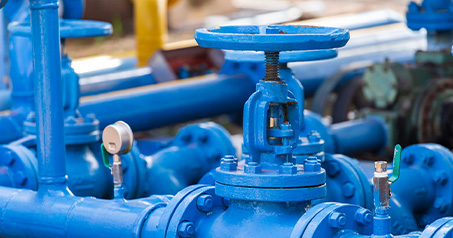
Water Meter Shutdown Valve Installation and Maintenance Guide for Homeowners
Understanding Water Meter Shut-Off Valves Importance, Functionality, and Maintenance In residential
Válvula mariposa de 12 pulgadas con actuador para control de flujo eficiente
Válvula de mariposa de 12 pulgadas con actuador Un componente clave en sistemas de control de flujo

water hose valve
The Essential Guide to Water Hose Valves Functionality, Types, and Benefits Water hose valves play a
 English